Discovering Wellness: Mobility Tips for Retirees
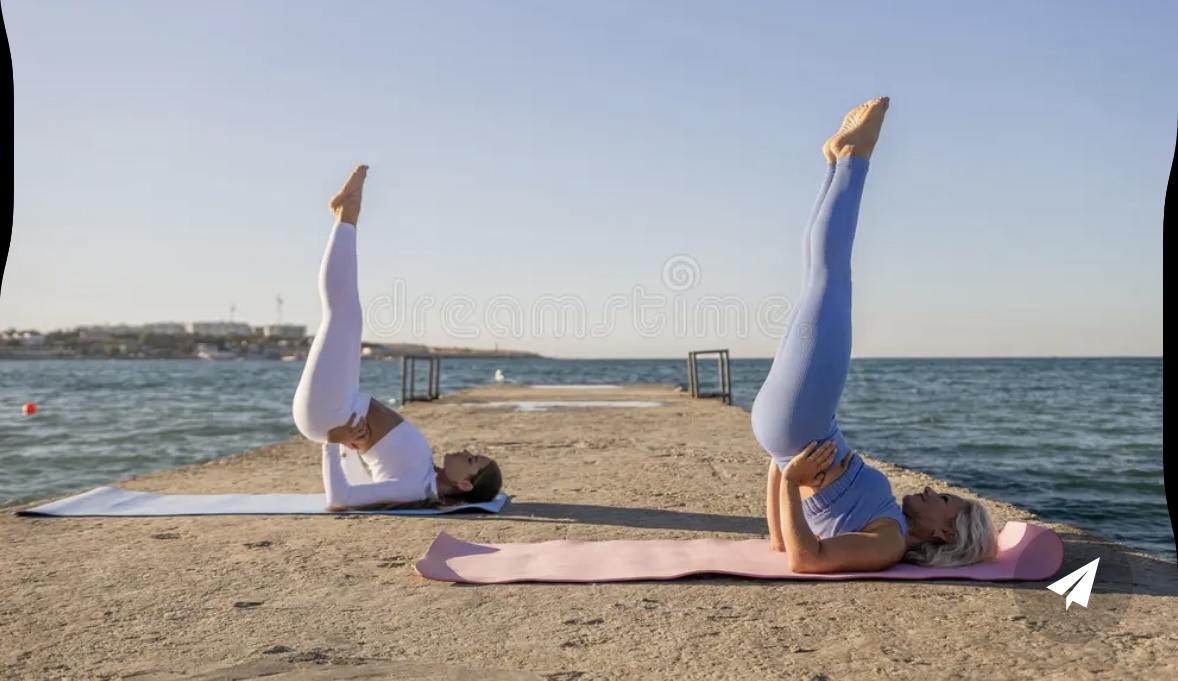
As we age, maintaining mobility becomes increasingly important for our overall health and well-being. For retirees, staying active not only enhances physical health but also contributes to mental and emotional wellness. In this blog post, we will explore practical mobility tips tailored specifically for retirees, helping you to stay active, engaged, and healthy in your golden years.

Understanding the Importance of Mobility
Mobility is more than just the ability to move from one place to another; it encompasses flexibility, strength, and balance. As we age, our bodies naturally undergo changes that can affect these aspects of mobility. Here are a few reasons why maintaining mobility is crucial for retirees:
Independence: Staying mobile allows retirees to perform daily activities independently, from grocery shopping to attending social events.
Health Benefits: Regular movement can help prevent chronic diseases such as heart disease, diabetes, and arthritis.
Mental Well-being: Physical activity releases endorphins, which can improve mood and reduce feelings of anxiety and depression.
Tips for Enhancing Mobility
1. Incorporate Regular Exercise
Engaging in regular exercise is one of the most effective ways to enhance mobility. Here are some types of exercises that can benefit retirees:
Walking: A simple yet effective way to stay active. Aim for at least 30 minutes of walking most days of the week.
Strength Training: Incorporate light weights or resistance bands to build muscle strength. Focus on major muscle groups, including legs, arms, and core.
Flexibility Exercises: Stretching can improve flexibility and reduce stiffness. Consider yoga or tai chi, which also promote balance.
2. Focus on Balance
Balance is crucial for preventing falls, a common concern for retirees. Here are some balance-enhancing activities:
Balance Exercises: Practice standing on one leg or walking heel-to-toe. These exercises can be done at home and require no special equipment.
Tai Chi: This ancient martial art focuses on slow, controlled movements that improve balance and coordination.
3. Stay Hydrated
Dehydration can lead to fatigue and decreased mobility. Ensure you drink enough water throughout the day, especially if you are active. Here are some tips to stay hydrated:
Carry a water bottle with you.
Set reminders to drink water regularly.
Include hydrating foods in your diet, such as fruits and vegetables.
4. Use Assistive Devices if Necessary
If you experience difficulty with mobility, consider using assistive devices. These can provide support and enhance your independence. Some options include:
Canes or Walkers: These can help with balance and stability.
Grab Bars: Install grab bars in bathrooms to assist with getting in and out of the shower or bathtub.
5. Maintain a Healthy Diet
Nutrition plays a vital role in maintaining mobility. A balanced diet can help you maintain a healthy weight and provide the energy needed for physical activity. Here are some dietary tips:
Eat a Variety of Foods: Include fruits, vegetables, whole grains, lean proteins, and healthy fats in your meals.
Calcium and Vitamin D: These nutrients are essential for bone health. Consider dairy products, leafy greens, and fortified foods.
Creating a Mobility-Friendly Environment
Your home environment can significantly impact your mobility. Here are some tips to make your living space more mobility-friendly:
1. Declutter
Remove any obstacles that could pose a tripping hazard, such as loose rugs, electrical cords, or cluttered walkways.
2. Improve Lighting
Ensure that your home is well-lit, especially in hallways and staircases. Consider using night lights to illuminate paths during the night.
3. Arrange Furniture Wisely
Keep frequently used items within easy reach to minimize bending or stretching. Arrange furniture to create clear pathways for walking.
Engaging in Social Activities
Staying socially active is just as important as physical activity for retirees. Engaging with others can motivate you to stay active and improve your overall well-being. Here are some ideas:
Join a Class: Look for local fitness classes designed for seniors, such as water aerobics or dance classes.
Participate in Community Events: Many communities offer events and activities for retirees, providing opportunities to meet new people and stay active.
Listening to Your Body
As you incorporate these mobility tips into your routine, it is essential to listen to your body. Here are some guidelines to follow:
Start Slow: If you are new to exercise, begin with short sessions and gradually increase the duration and intensity.
Rest When Needed: If you experience pain or discomfort, take a break and allow your body to recover.
Consult a Professional: If you have specific health concerns, consider consulting a healthcare professional or physical therapist for personalized advice.
Conclusion
Maintaining mobility is vital for retirees who wish to enjoy their golden years to the fullest. By incorporating regular exercise, focusing on balance, staying hydrated, and creating a mobility-friendly environment, you can enhance your physical well-being and independence. Remember, staying active is not just about physical health; it also contributes to mental and emotional wellness. So, take the first step today and embrace a more active lifestyle!
By following these tips, you can discover a new sense of wellness and vitality in your retirement years. Start small, stay consistent, and enjoy the journey to better mobility and health.


Comments